

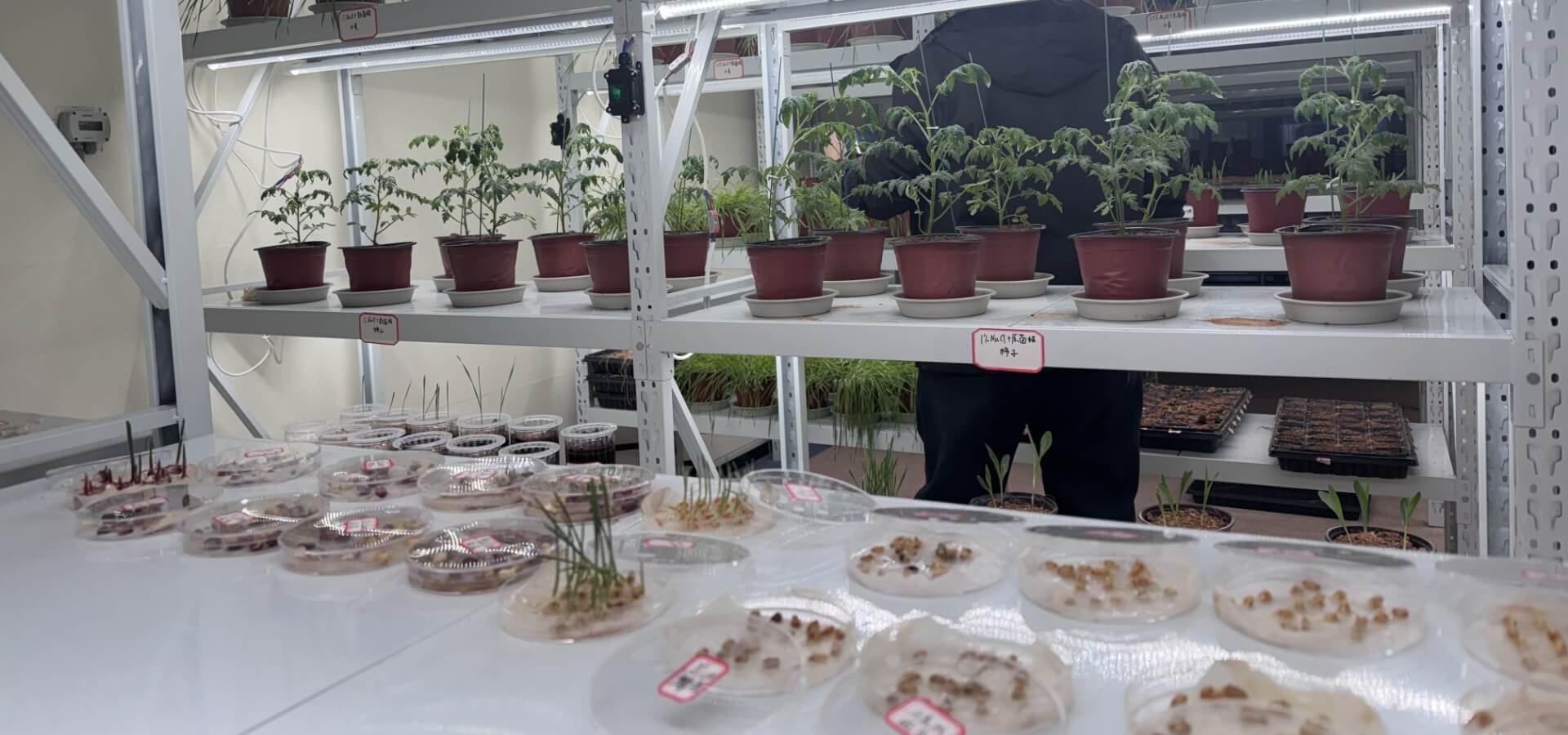
Smart Plant Nutrition, Empowering a Green Future
Constructing full-lifecycle nutrition plans to protect every inch of land.
Learn More
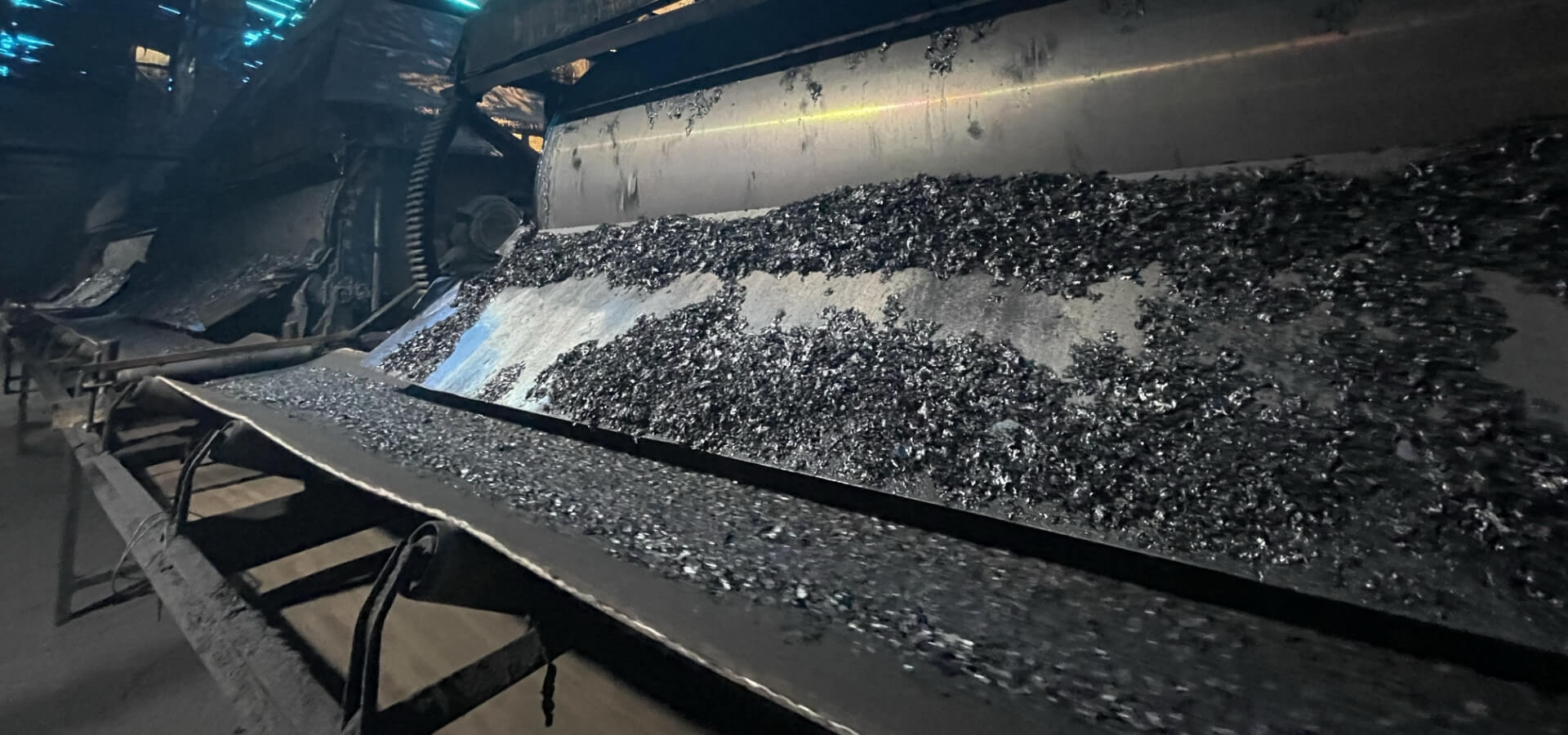
World-Renowned Professional Humic Acid Manufacturing Center
Premium Quality, Stable Supply, Global Delivery—Empowering Sustainable Agriculture.
Learn More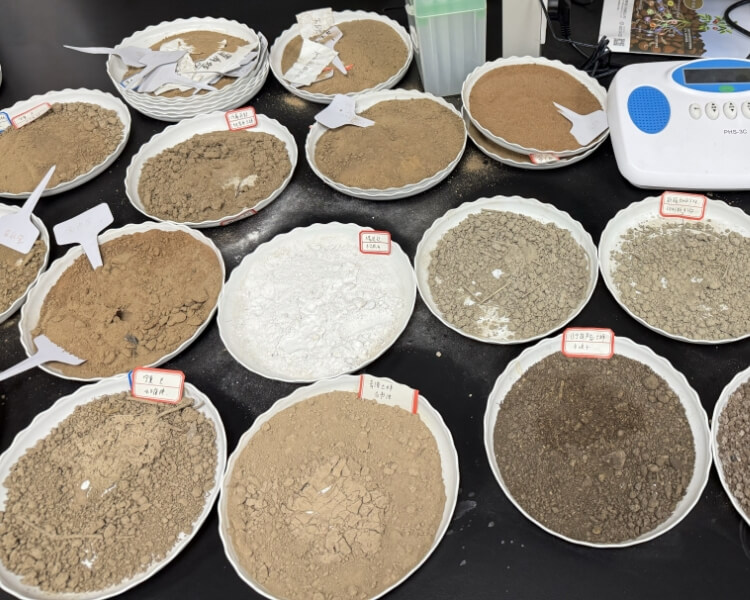
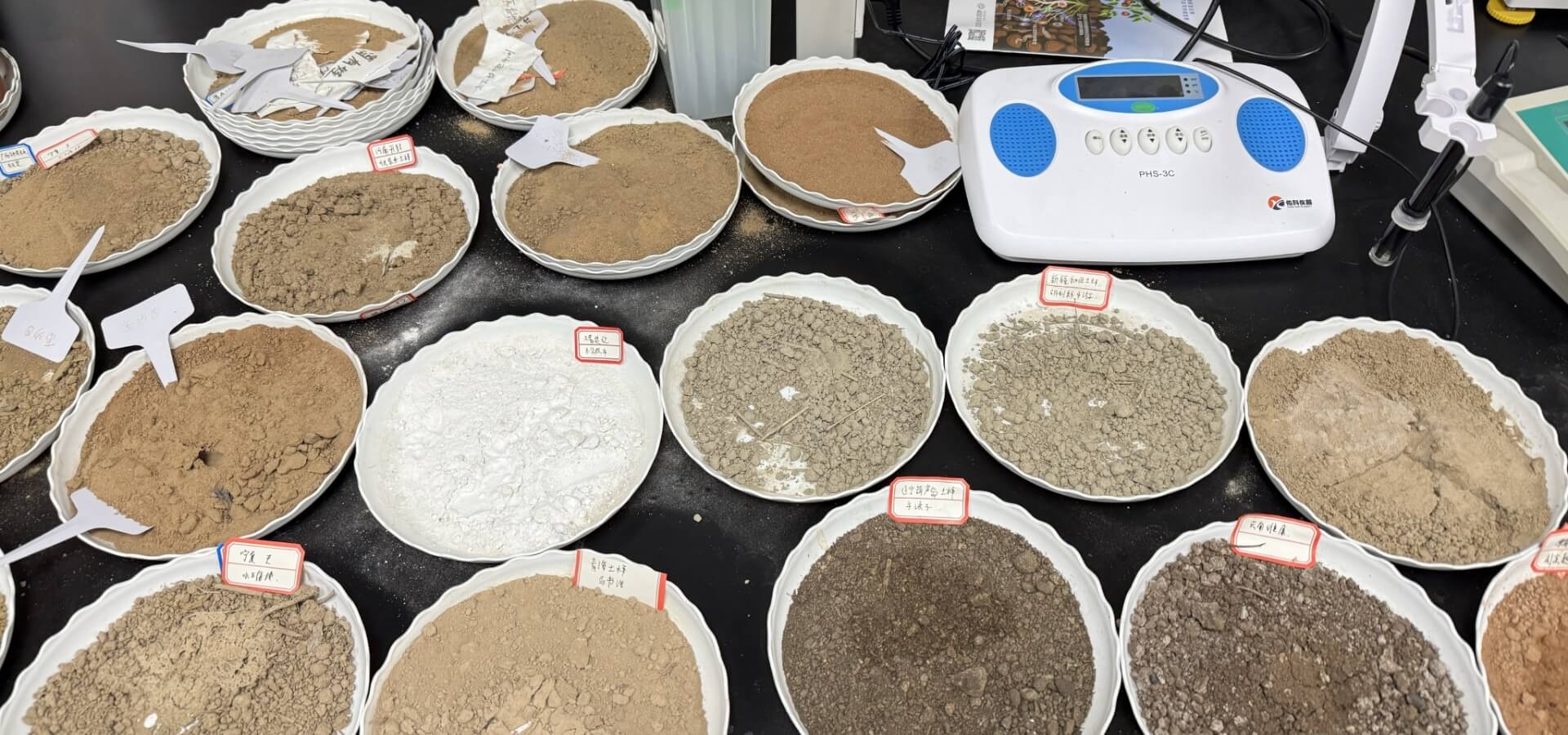
Soil Vitality Restorer
Repair soil compaction and hardening to create fertile, nutrient-rich soil that empowers vigorous crop growth.
Learn More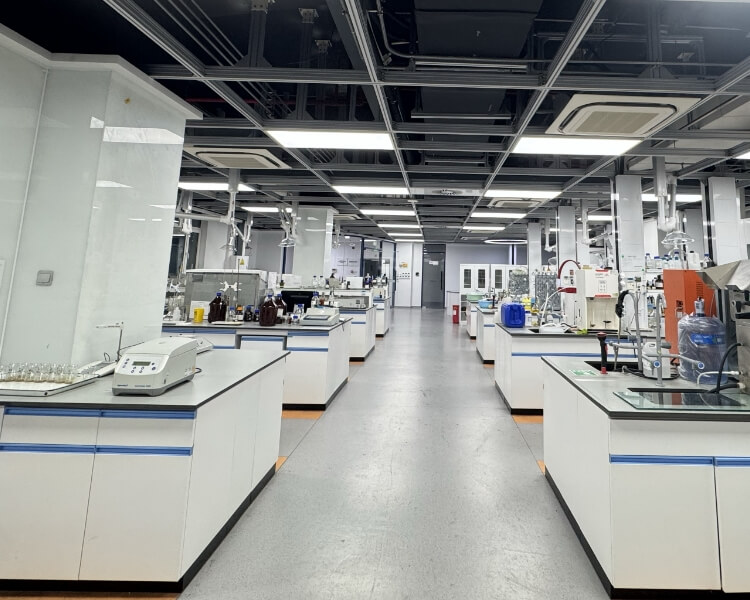
Scientific Formulation: Preventing Diseases and Pests via Nutritional Support
Strengthening endogenous nutrition, allowing crops to build natural immunity from the roots up.
Learn More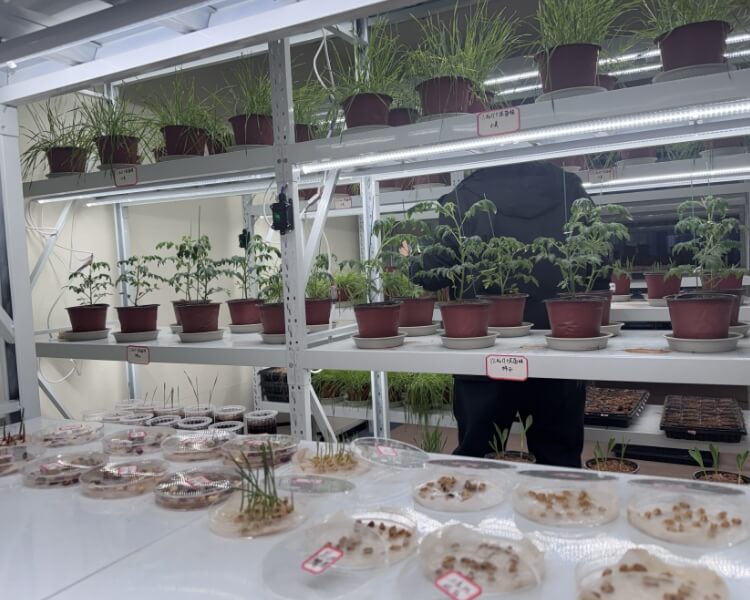
Integrated Biopesticide Solutions
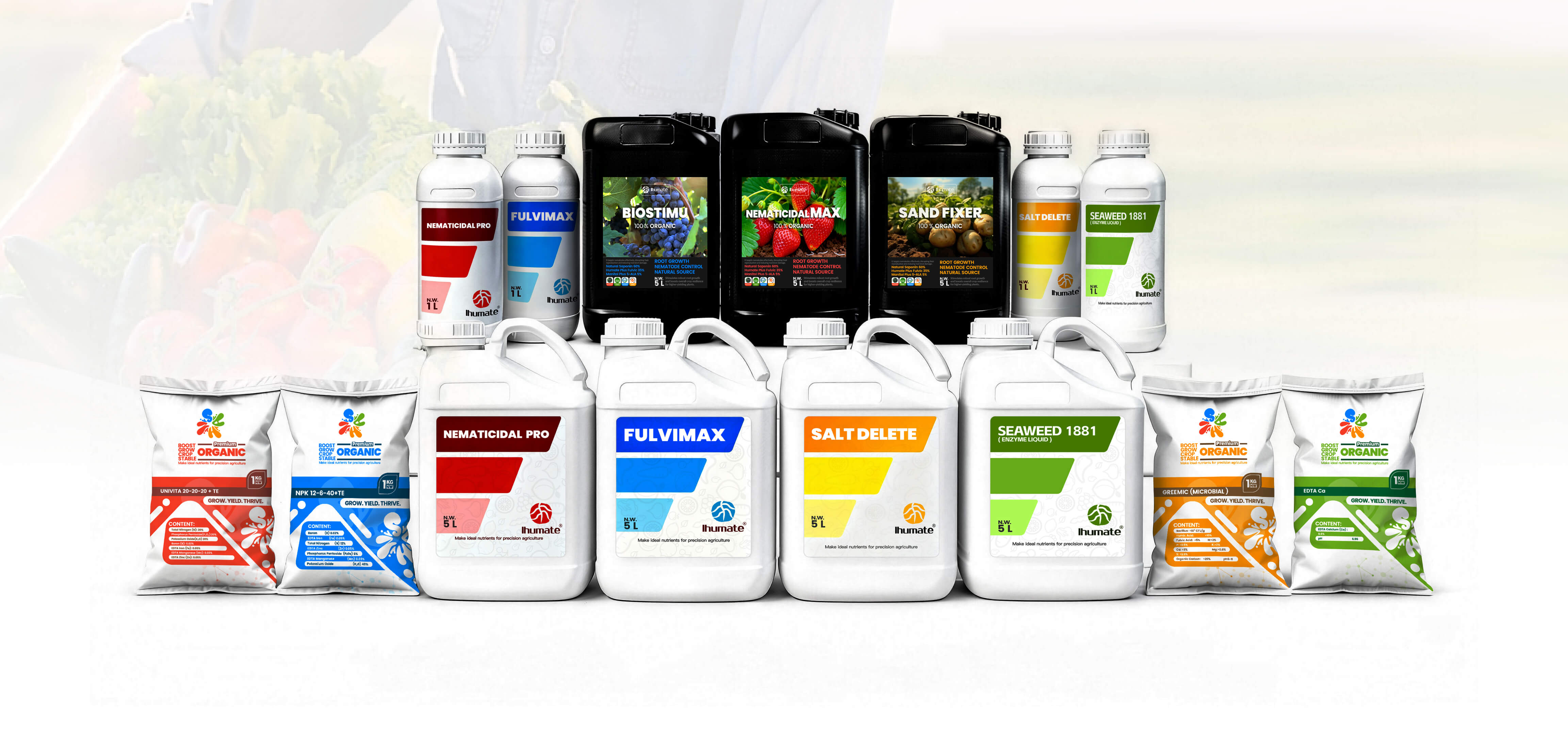
Nematode Control + Root Stimulation: Protecting crops, strengthening roots, and enhancing harvest quality.
Learn MoreIdeal Nutritional Fertilizers for Precision Agriculture
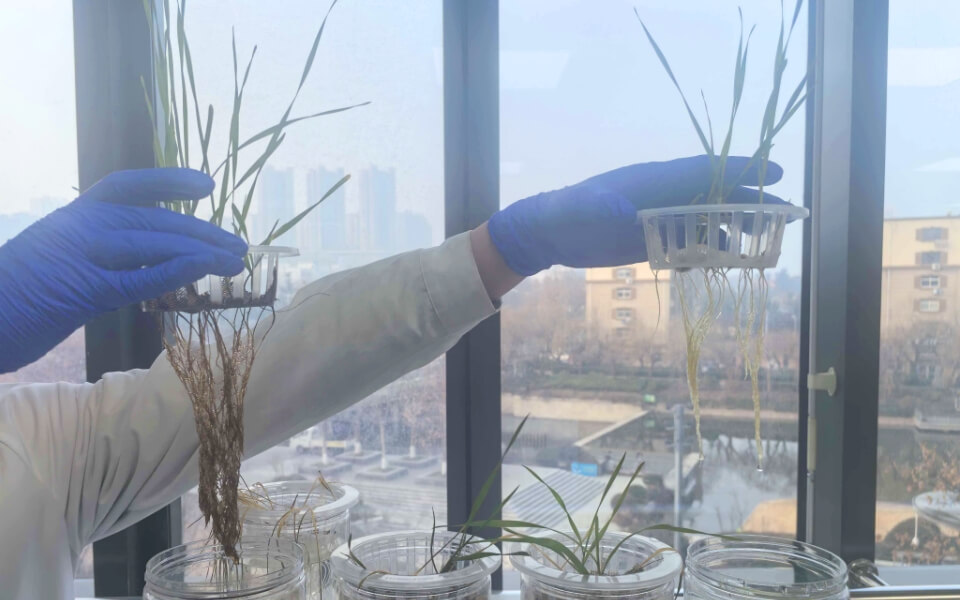
Data-driven scientific formulas optimizing every acre of land.
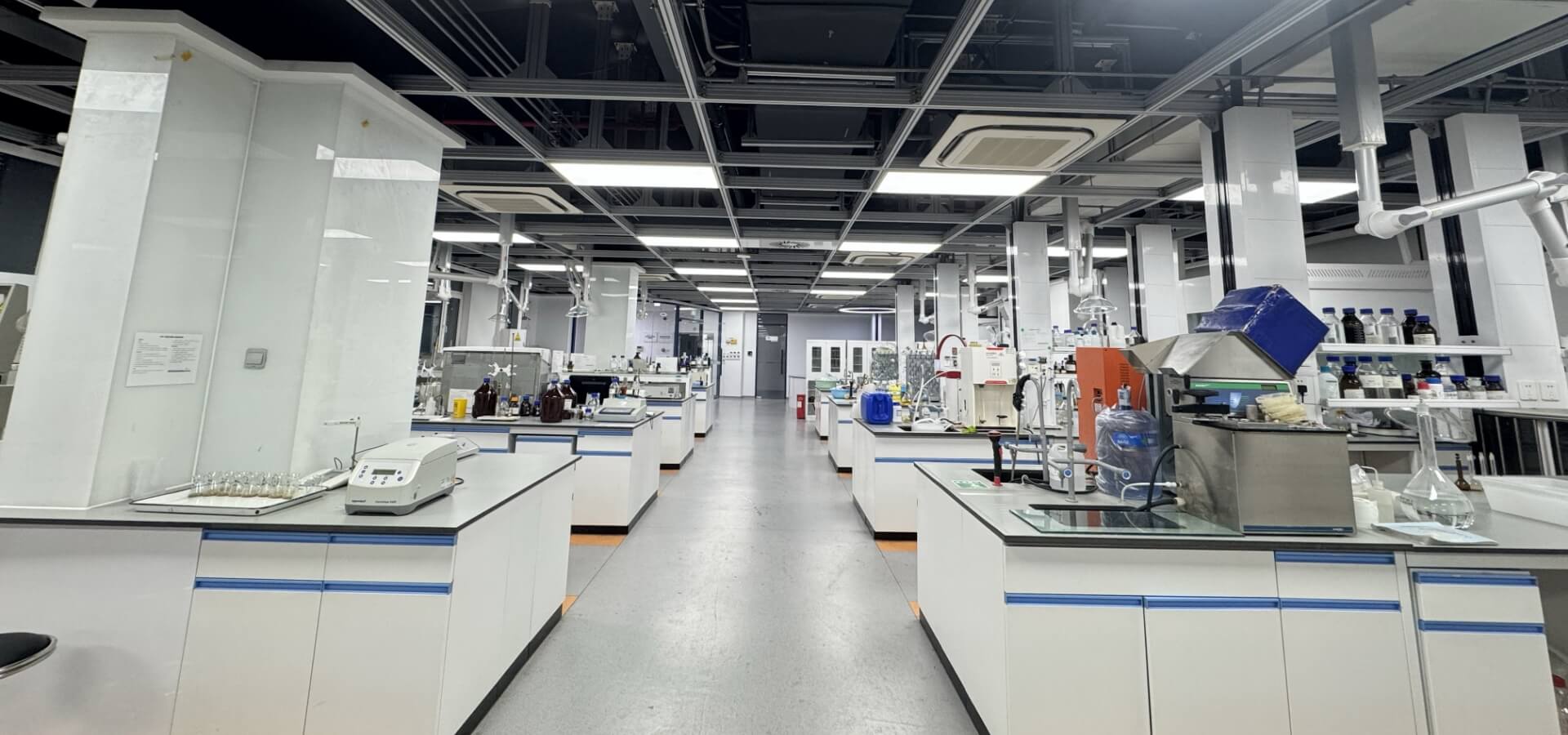
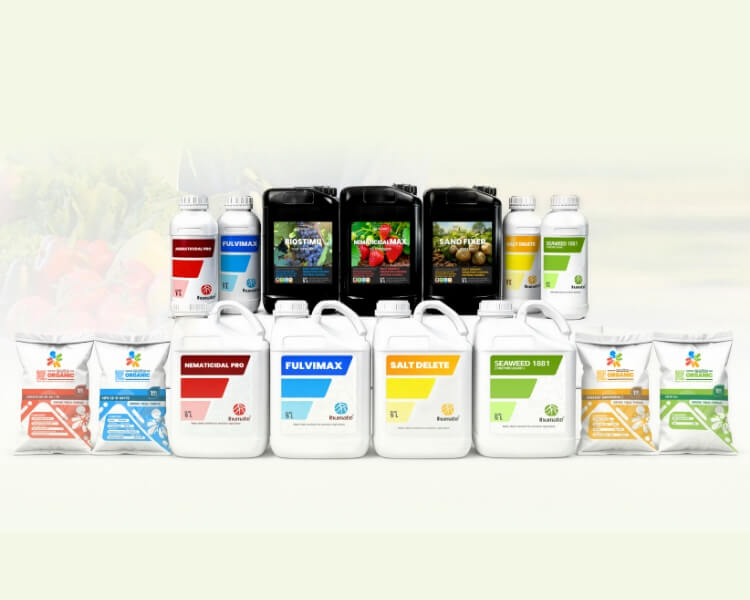
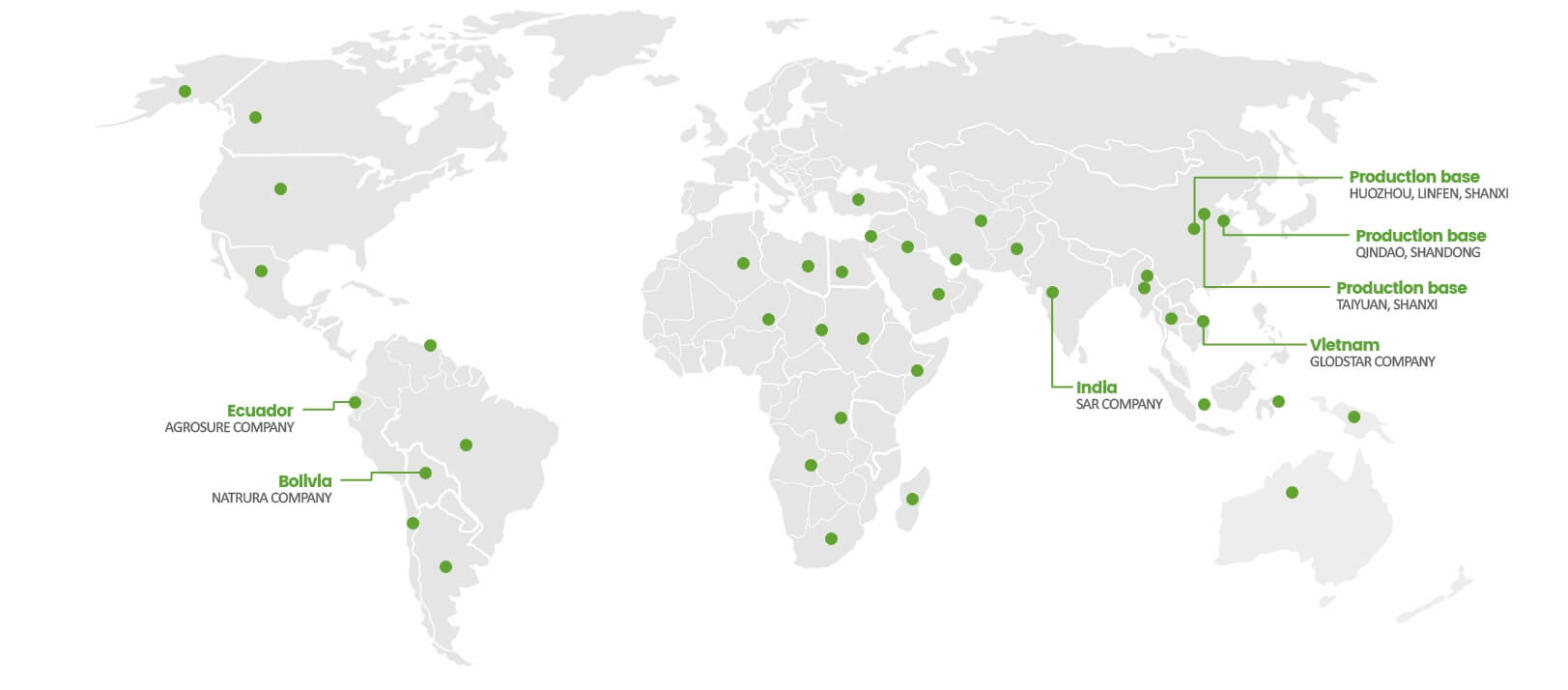
Shanxi Ihumate BioTech Co., Ltd. (Ihumate) is headquartered in Shanxi, China, leveraging the nation’s richest nitro-salt and humic acid resources and ideal climatic conditions. The group operates two major production bases: the Shanxi Base focuses on drone-application grade liquid fertilizer OEM/ODM, NPK water-soluble fertilizers, and mineral-source humate production. The Shandong Base features the industry’s first "5S" smart digital factory, specializing in seaweed extract, functional small peptides, and innovative biostimulants. This strategic dual-base layout creates a complete and diversified product matrix in the specialty functional fertilizer sector.
Production, R&D, and sales of Shanxi Ihumate BioTech Co., Ltd., serving global customers.
We have established a global strategic production and innovation partner network, collaborating deeply with SAR (India), GOLDSTAR (Vietnam), AGROSURE (Ecuador), and NATRURA (Bolivia).
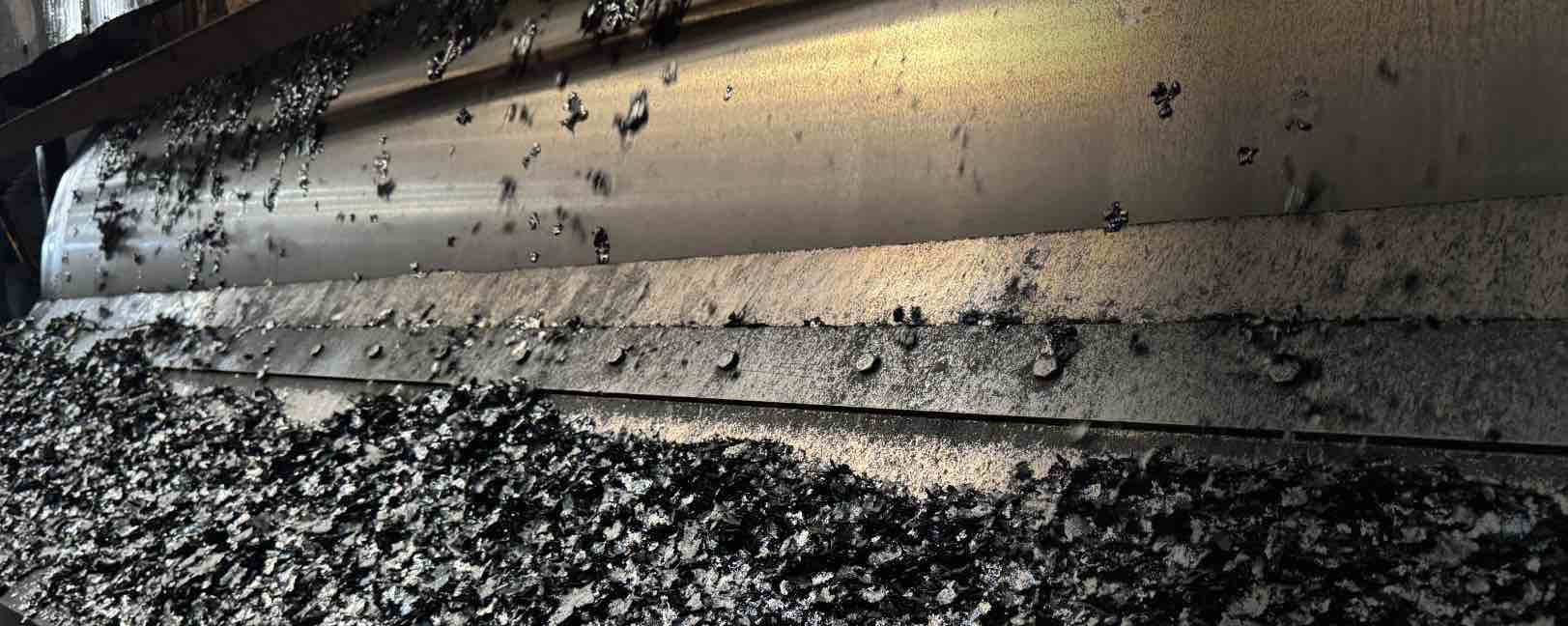
Diversified Products


High-Yield & Premium Cultivation Guidance
Field Crop Stable Yield Solutions
Specifically designed for staple crops like wheat, corn, and rice. By deep-conditioning the rhizosphere environment, it significantly improves nutrient utilization and enhances resistance to lodging and drought, ensuring stable harvests in volatile environments.
Learn More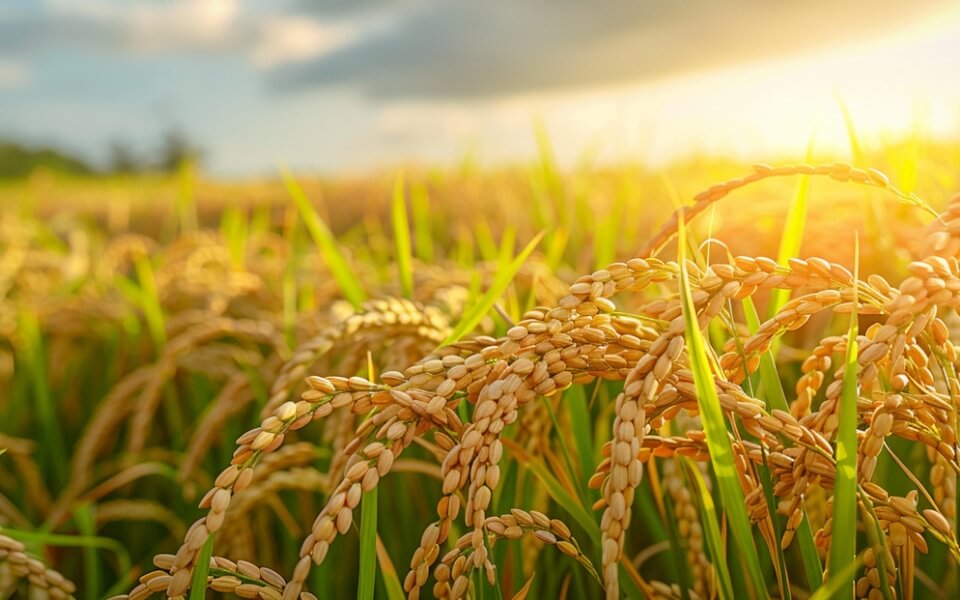
Premium Fruit Quality Enhancement Solutions
Focusing on increasing the commercial value of fruit. Through the precise synergy of biostimulants and micronutrients, it promotes uniform coloring, increases sugar content and flavor, and strengthens skin toughness to extend shelf life.
Learn More
Green Vegetable High-Efficiency Cultivation Solutions
Dedicated to high-quality, pollution-free vegetable production. Emphasis is placed on root development and photosynthetic efficiency to increase yields while meeting strict green safety standards with low chemical residues.
Learn More
Specialty Crop Premium Value Solutions
Targeting high-value crops such as medicinal herbs, nuts, and spices. By stimulating plant secondary metabolism, it enhances active ingredients, nut fullness, and characteristic aromas, helping specialty products achieve higher market grades and returns.
Learn More
Master Cutting-Edge Technology
Explore Ihumate R&D and Innovation Trends
2026-08-21
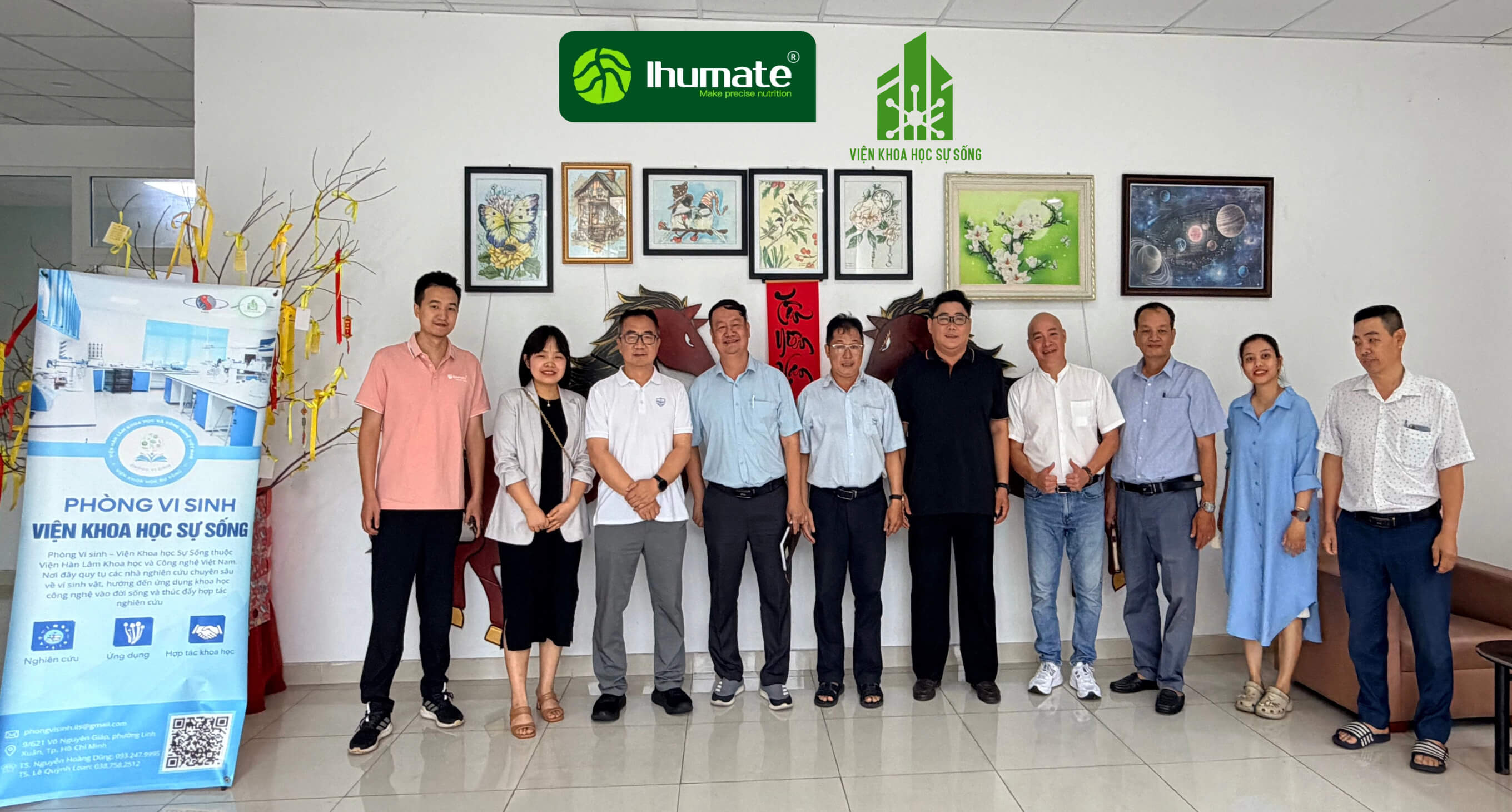
Ihumate and Vietnam ILS Advance Microbial Fertilizer Cooperation
Ihumate visited Vietnam's Institute of Life Sciences and discussed microbial inoculants for fertilizers and future cooperation with Dr. Nguyễn Hoàng Dũng and fellow researchers.
2026-06-10
Patented Salt-Tolerant Microbes for Saline Soil: Suaeda Trial Data and Results
A soil trial with Suaeda-derived microbes recorded sustained target-strain growth, fewer miscellaneous and harmful microbes, and trends toward nutrient activation and rhizosphere recovery.

Phosphate Rock Becomes Strategic: June Policy Shift Reshapes Fertilizer Supply
In June 2026, China’s mineral-resource implementation rules moved phosphate rock and potash into a strategic-resource framework, raising attention on phosphate fertilizer supply security.

Microbial Fertilizer Market Heads Toward RMB 60 Billion: Salt-Tolerant Bacteria Drive the Next Growth Cycle
China’s microbial fertilizer market is projected to exceed RMB 60 billion by 2027 as competition shifts from viable-count claims and price toward strain adaptability, stable field performance and crop-specific solutions.

Record Sulfur Prices Push Global Phosphate Fertilizers Into a Cost Squeeze
In May 2026, record sulfur prices began to squeeze phosphate fertilizer margins and trigger production cuts, shifting the global fertilizer story from freight disruption to raw-material stress.

Global Fertilizer Supply Chain Faces a “System Shock” as March Price Surge Threatens Spring Planting
In March 2026, Russia’s ammonium nitrate export halt and the Hormuz shipping crisis triggered a sharp fertilizer price shock, raising risks for spring planting and food production.